
Wisdom Teeth Removal
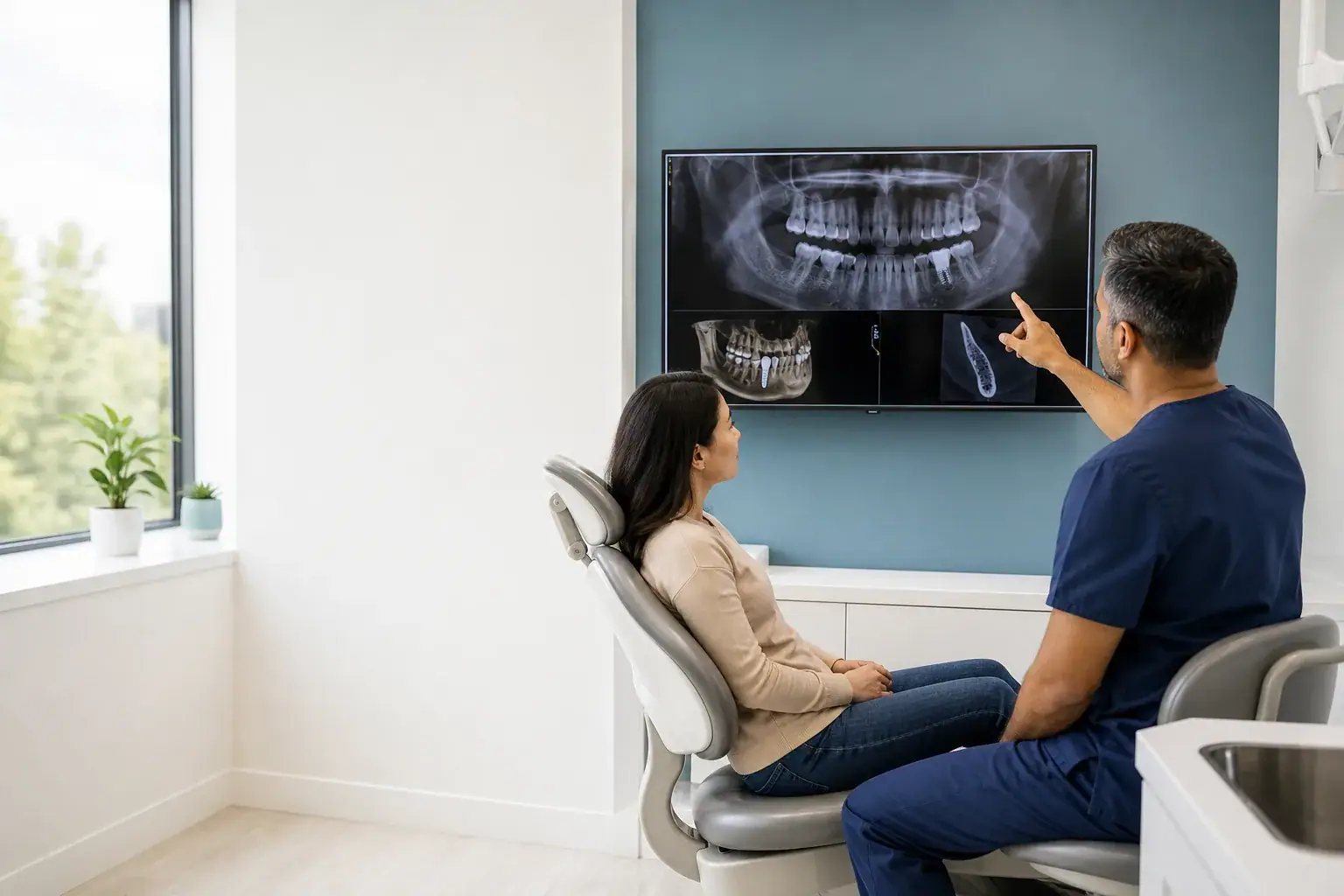
Wisdom teeth (third molars) often emerge in the late teens or early twenties. When they are impacted or cause infection, removal prevents pain, gum problems and crowding.
- 3 clinic locations
- New patients welcome
- Personalized care plan
Who may need this service
- Pain or swelling at the back of the jaw
- Repeated gum infections around a partly erupted tooth
- Crowding or shifting of front teeth
- Cysts or cavities on a third molar
What this care can help achieve
- Resolves pain and recurrent infection
- Reduces the risk of damage to the second molars
Your treatment process
We explain each stage clearly before treatment begins and adapt the plan to your clinical needs.
- 11
Panoramic X-ray
Determines the position of nerves and roots.
- 22
Treatment plan
We discuss whether one or all four wisdom teeth need to come out and whether sedation is appropriate.
- 33
Removal
Performed under local anaesthetic. Sedation options are discussed where suitable.
- 44
Recovery
Soft diet for several days and gentle rinsing with warm salt water.
Potential benefits
- Resolves pain and recurrent infection
- Reduces the risk of damage to the second molars
Recovery and aftercare
- Use ice packs for the first 24 hours to reduce swelling
- Avoid smoking, straws and vigorous rinsing for 48 hours
- Stick to soft foods until comfortable
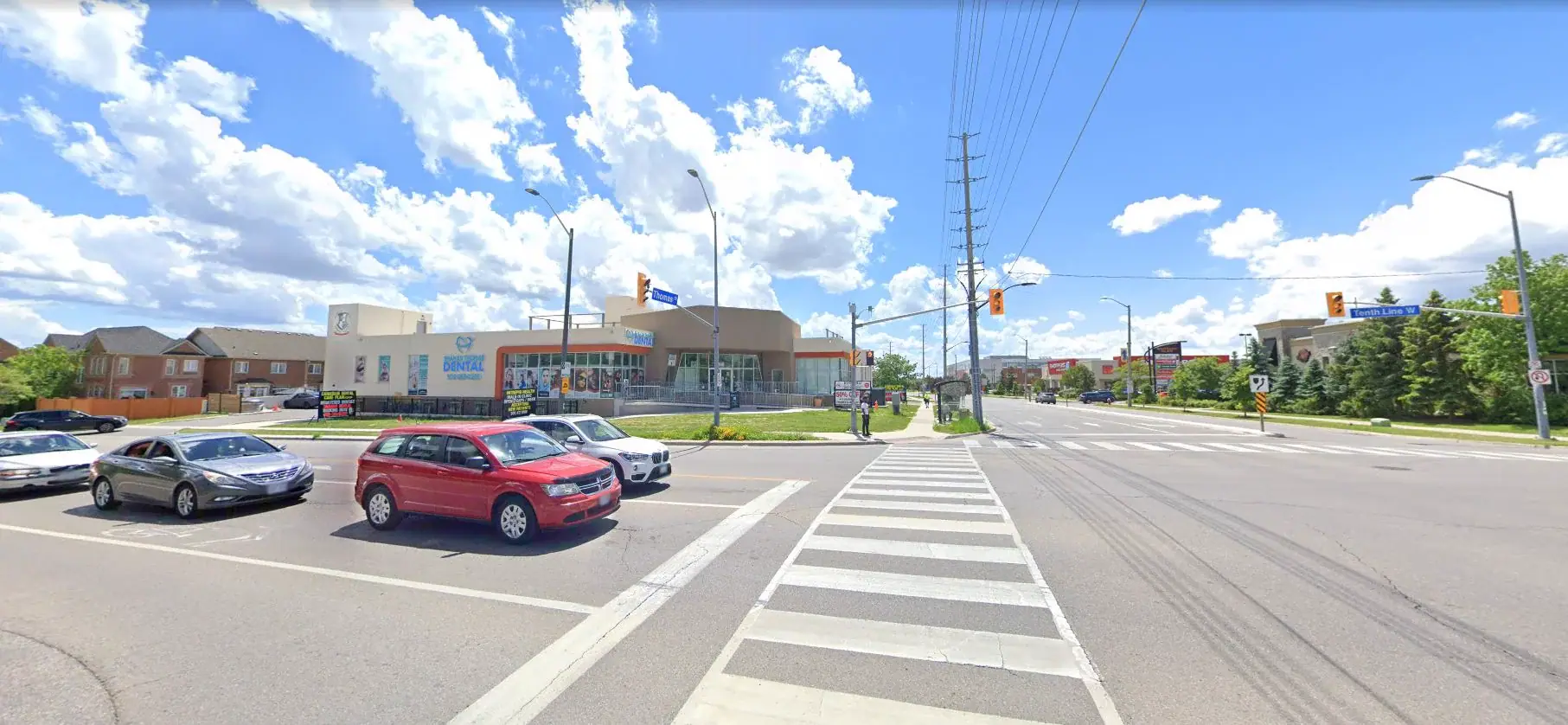
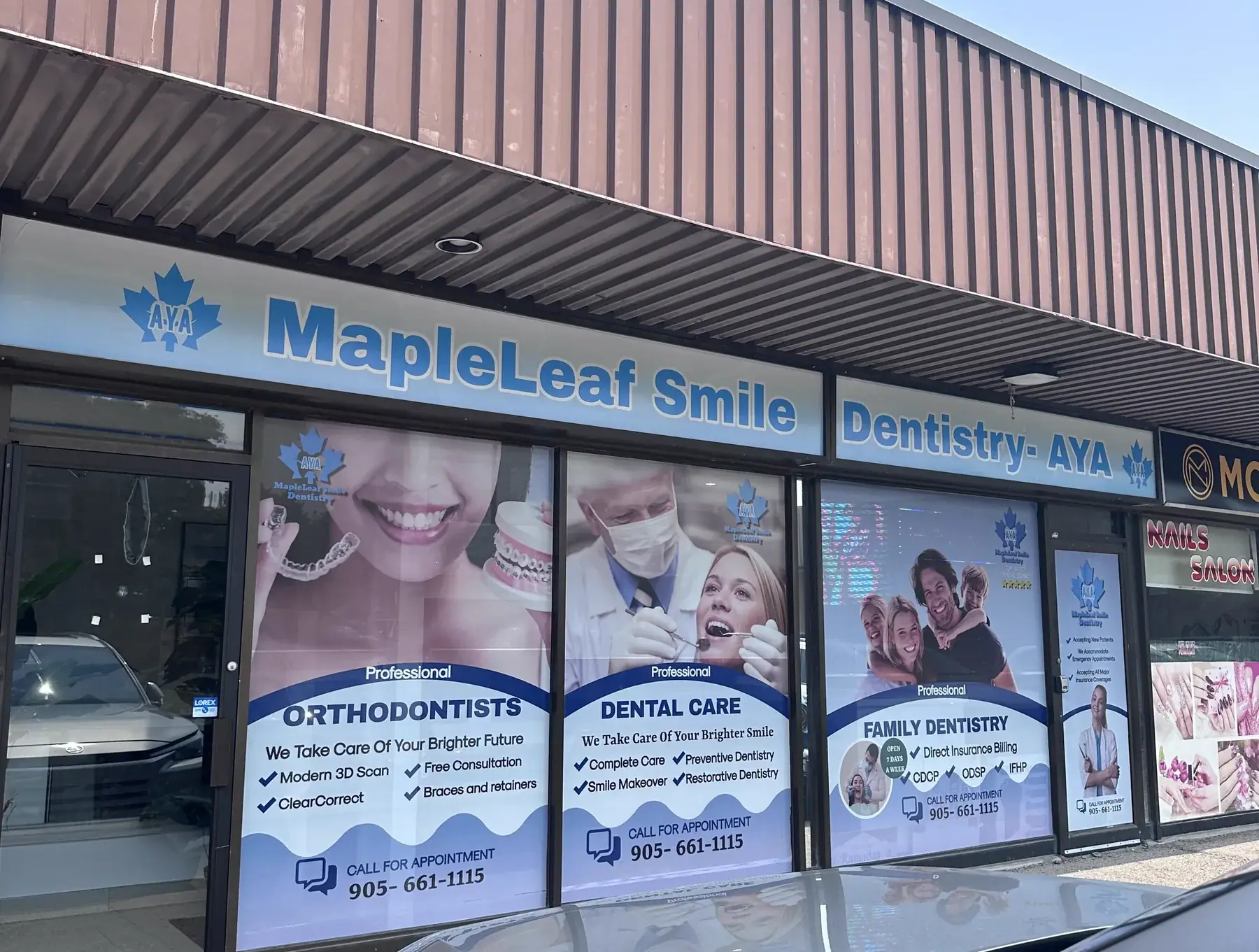
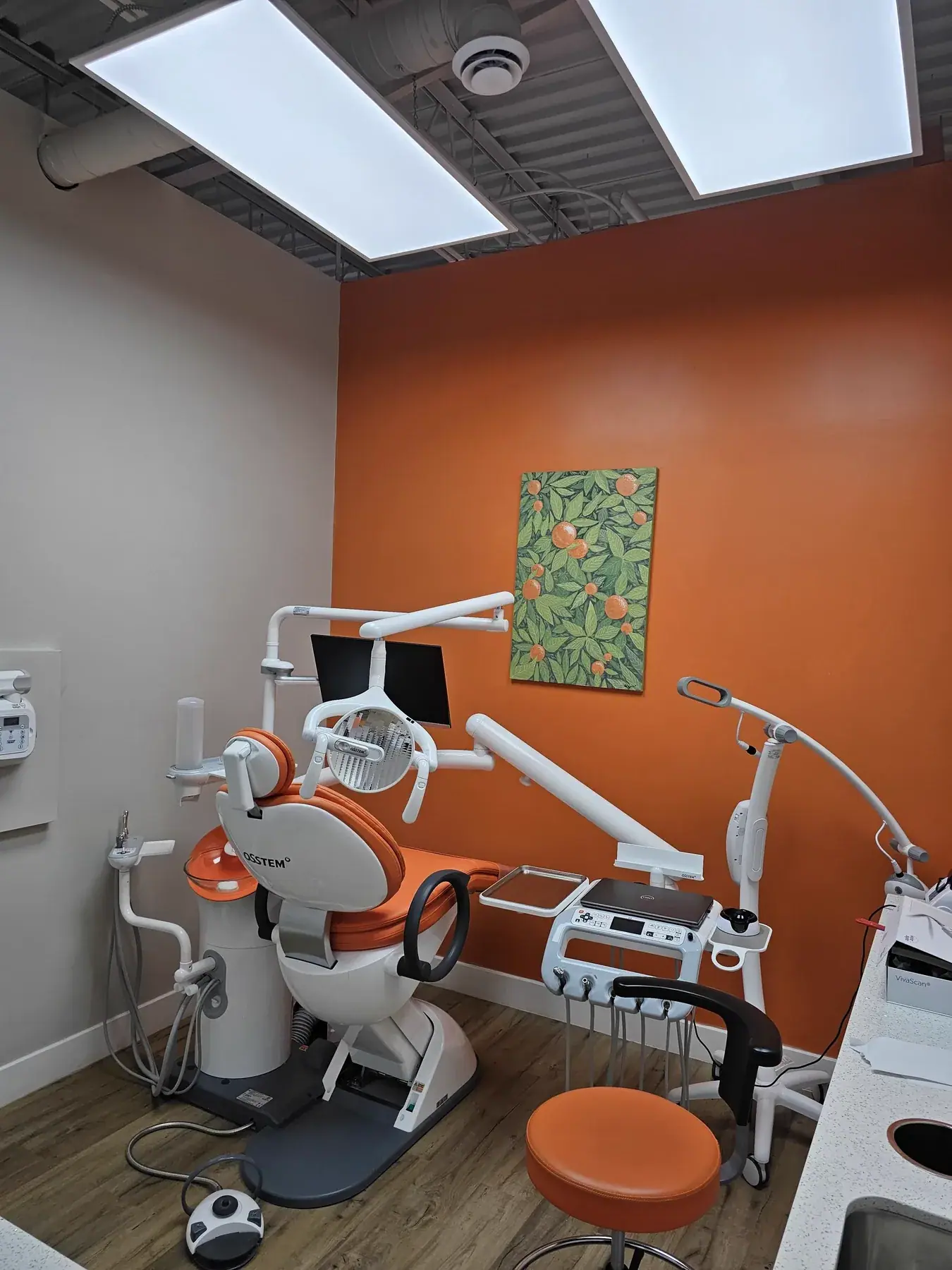
Locations offering Wisdom Teeth Removal
Select a convenient clinic and continue in the three-step booking popup.
Meet some of our dentists
Our dentists provide comprehensive care across five clinics. Availability varies by service and location, and our team will confirm the right clinician when you book.
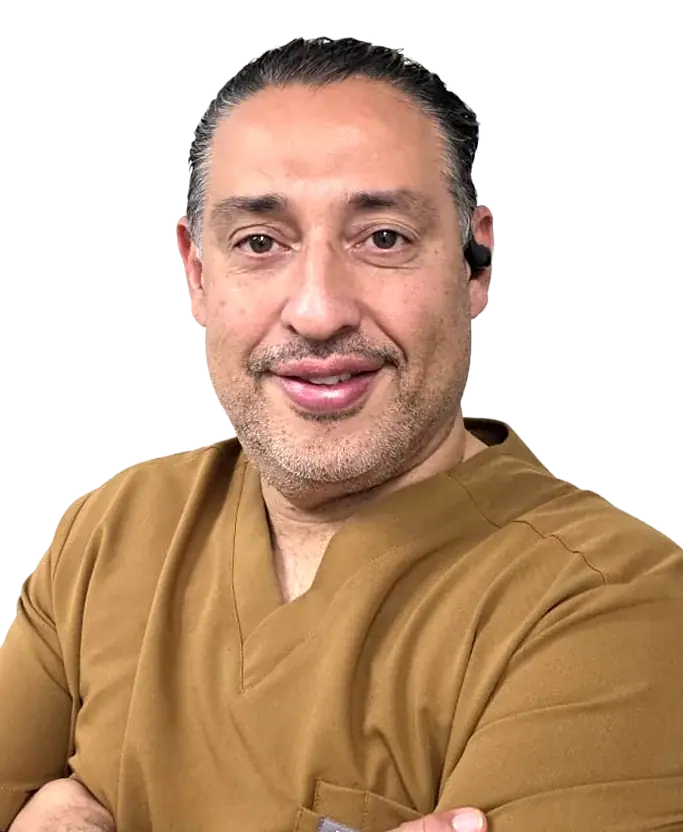
Dr. Rawa
General Dentist
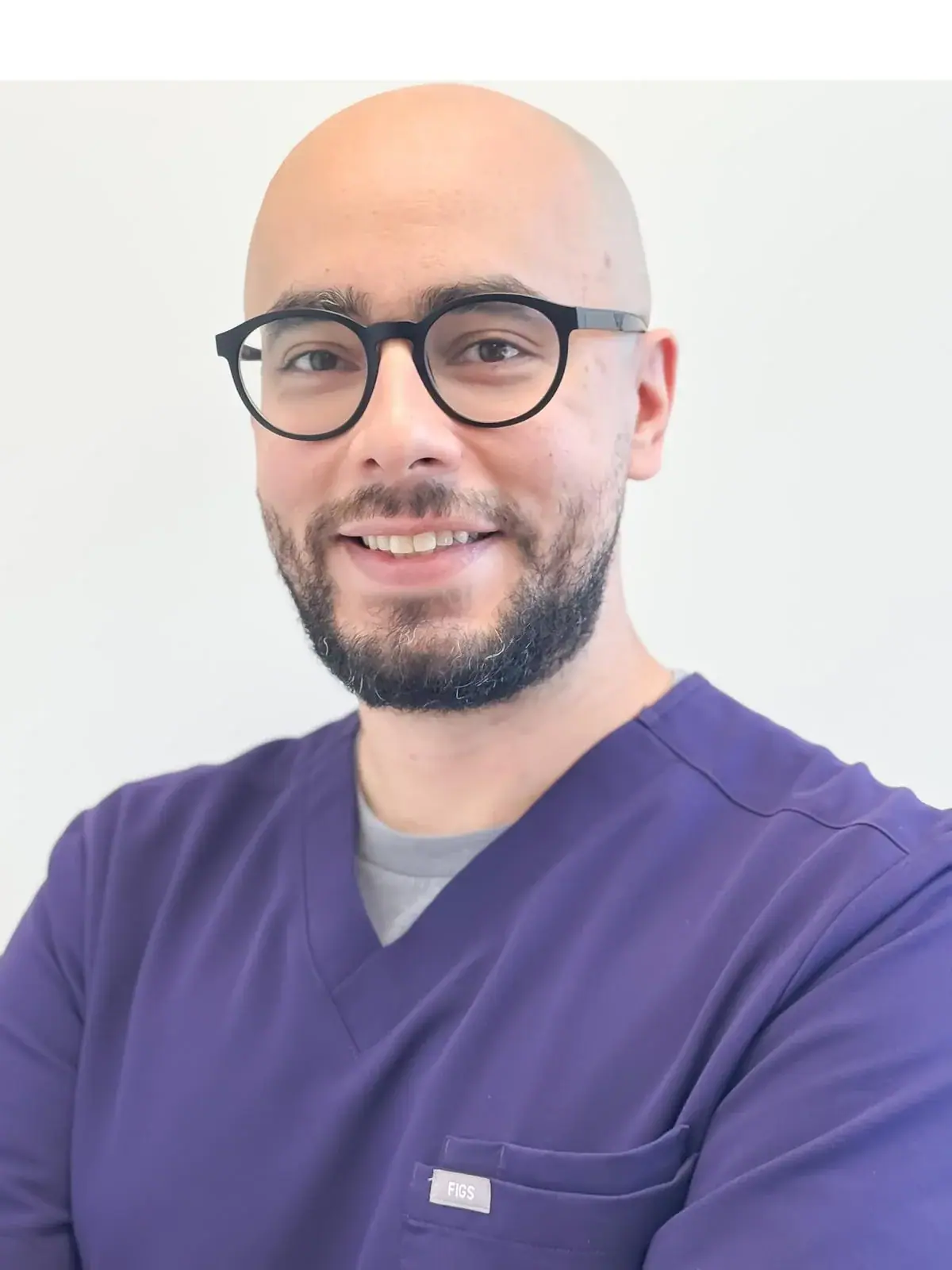
Dr. Motaz
General Dentist
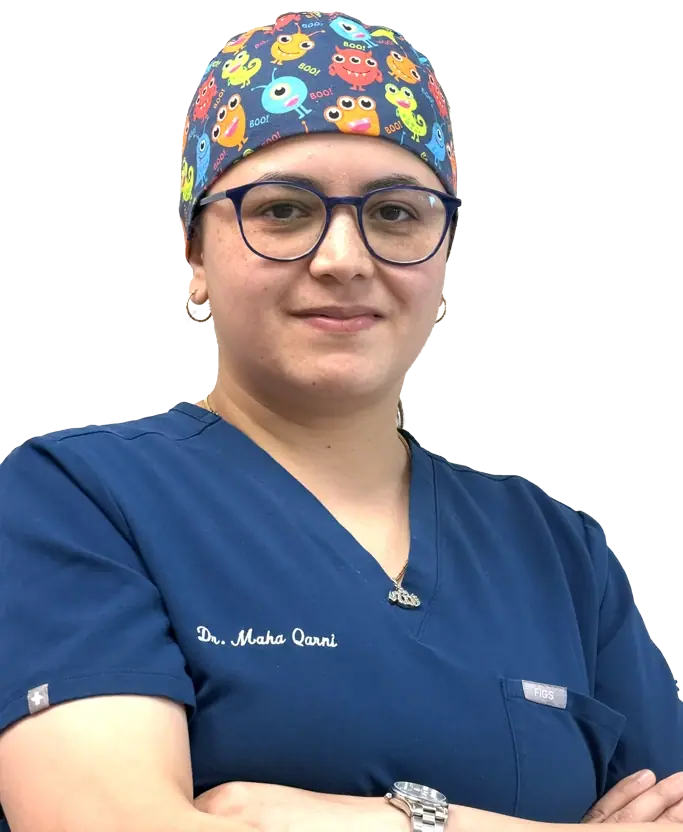
Dr. Maha
General Dentist
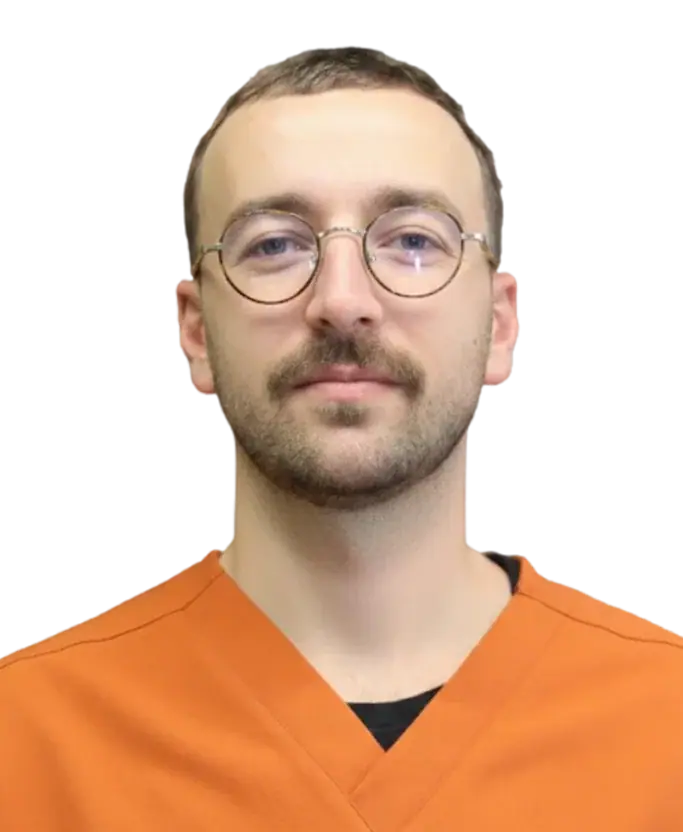
Dr. Thoma
General Dentist
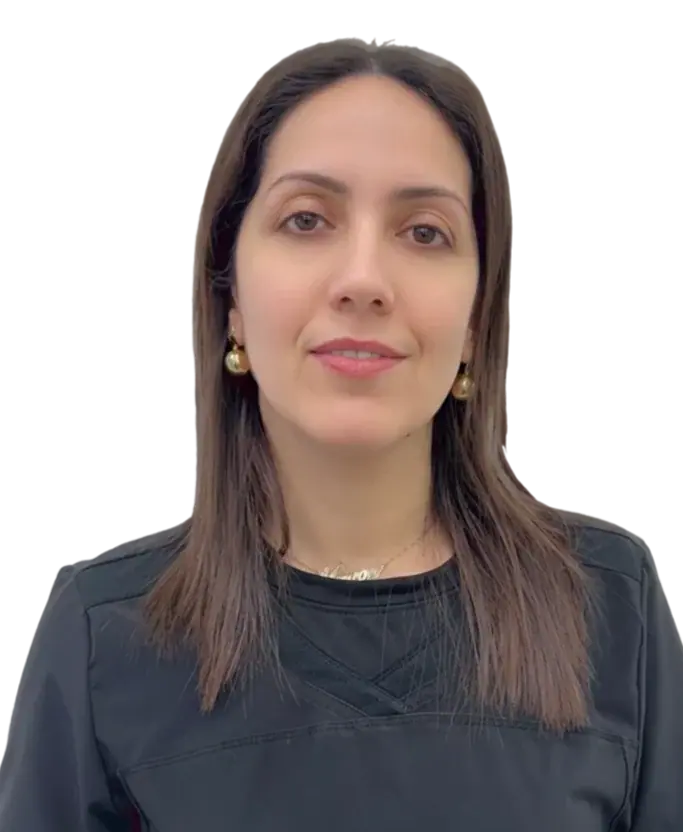
Dr. Afsoon
General Dentist
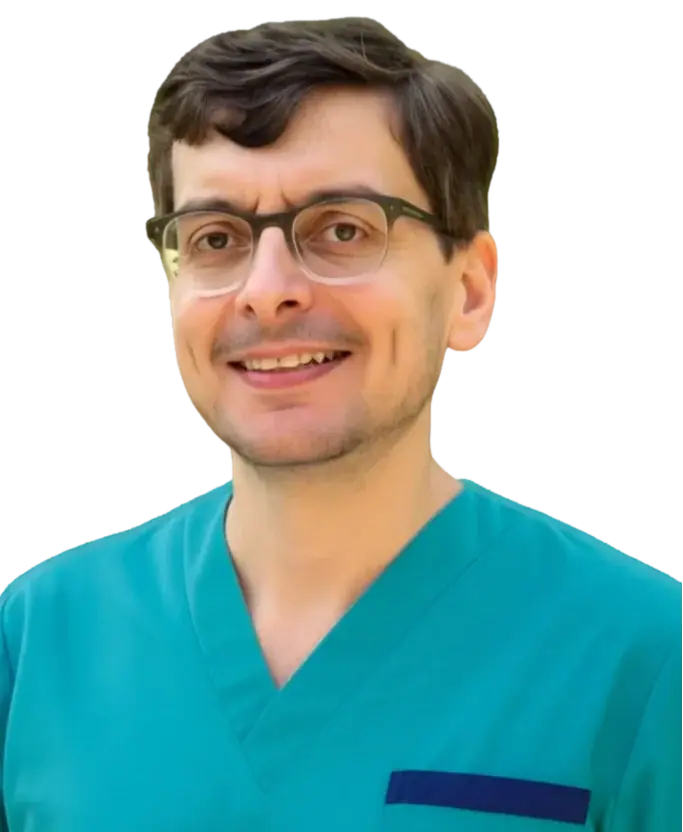
Dr. Mina
General Dentist
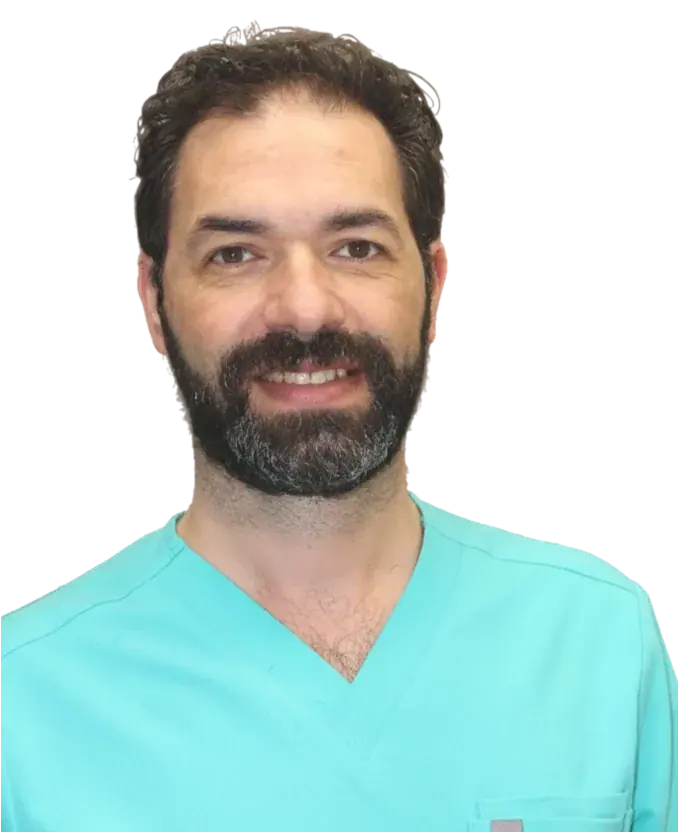
Dr. Ahmad
General Dentist
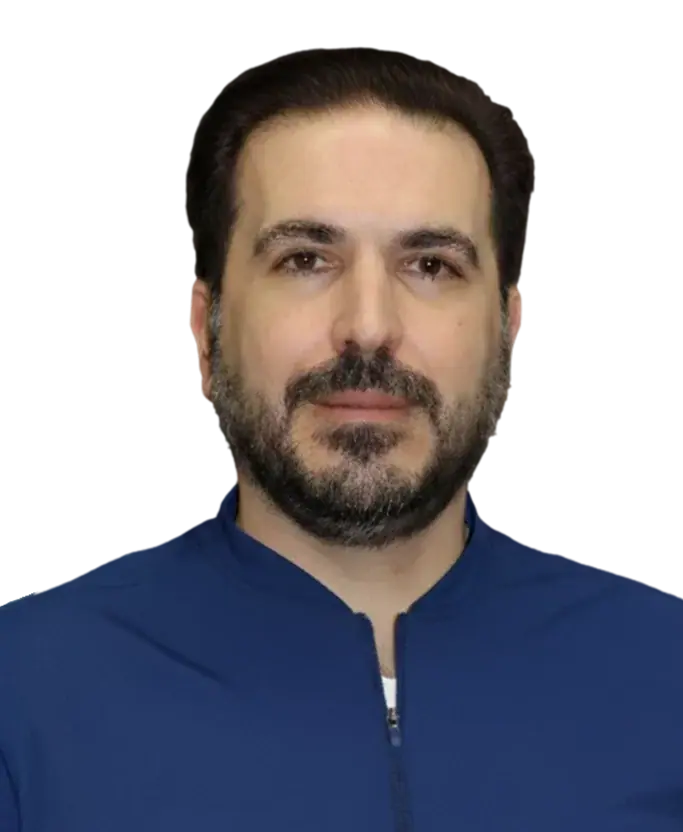
Dr. Mohammad
General Dentist
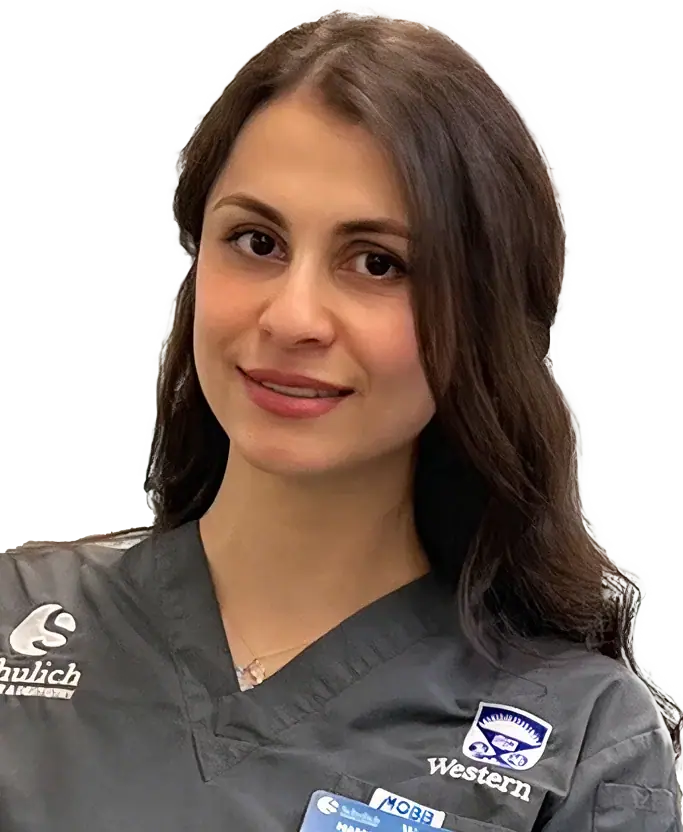
Dr. Hamsa
General Dentist
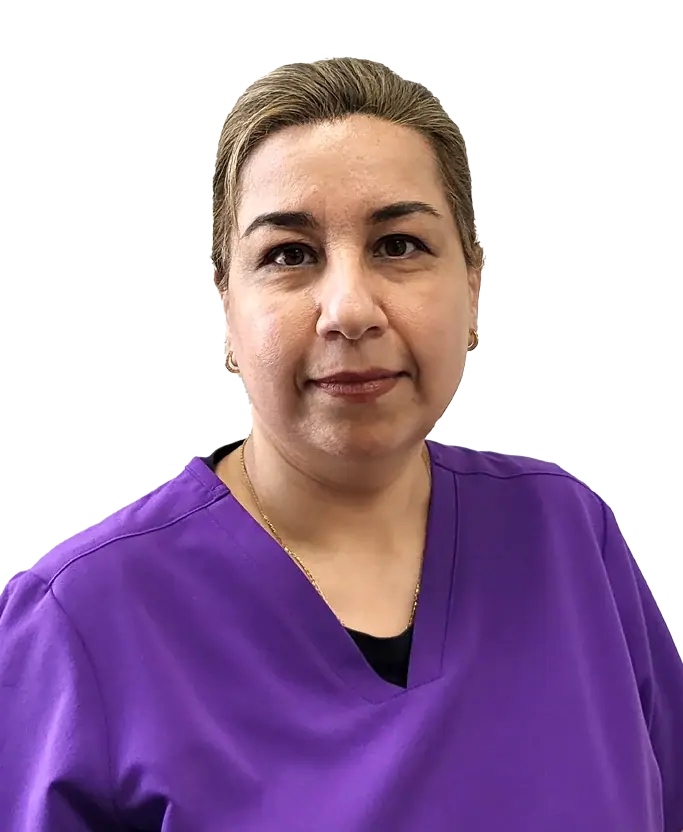
Dr. Aseel
General Dentist
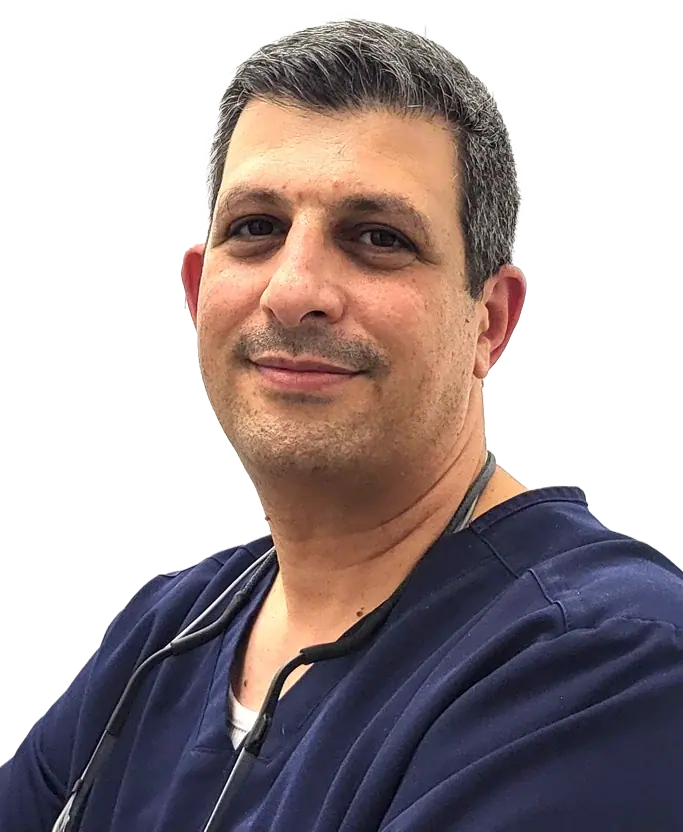
Dr. Ammar
General Dentist
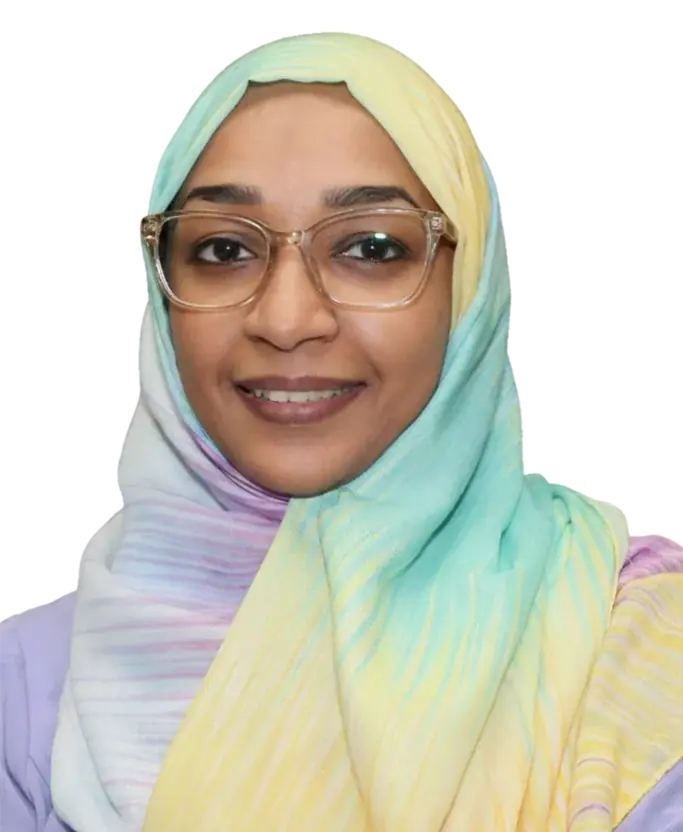
Dr. Ola
General Dentist
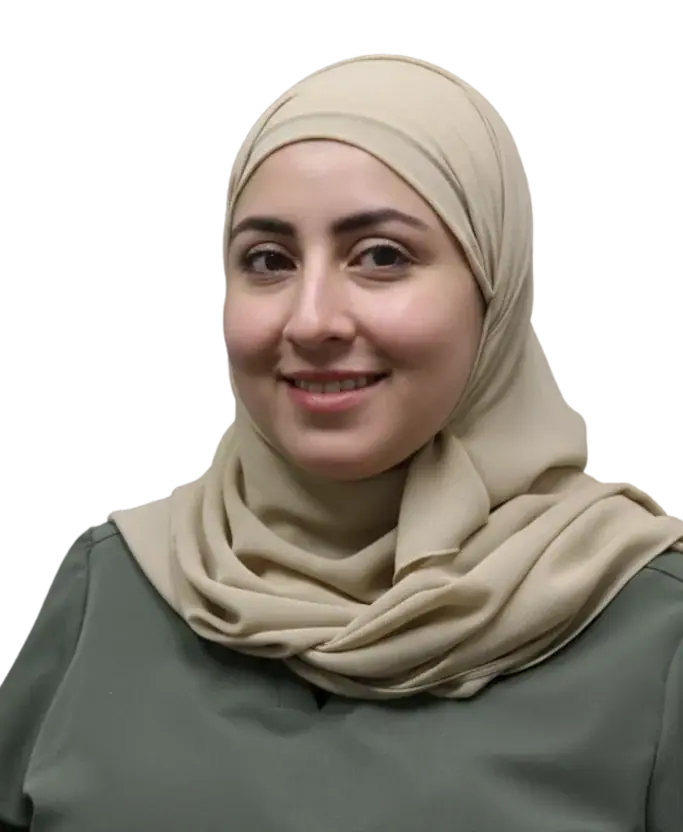
Dr. Rama
General Dentist
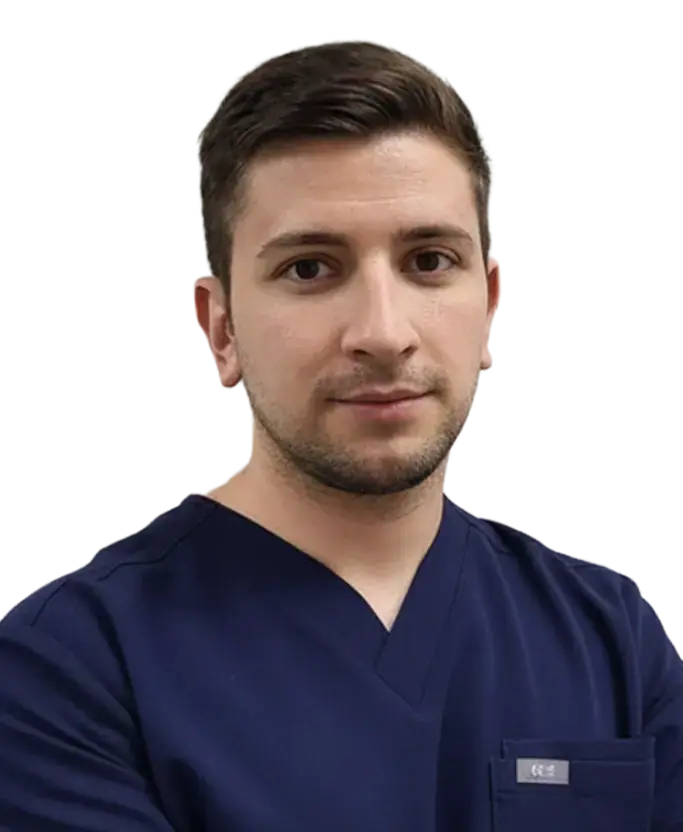
Dr. Maher
General Dentist
What patients say
Recent feedback from Google. We respond to every review — see our Google profile for the full, current list.
984 Google reviews across our 5 clinics
“I have to say this is the best office I have been to in Canada. The cleaning was AMAZING, very thoughtful, professional & made sure I was feeling comfortable. 5 Star clinic !!!!!”
Mohammad A.
Hamilton – Areej
“I had a dental emergency and this clinic squeezed me in the same day. Dr. Motaz treated me quickly and professionally. He walked me through the entire procedure and even followed up the next day to check how I was feeling. This kind of care is rare these days. So grateful!”
Gabriel M
St. Catharines
“I recently got my wisdom tooth extraction done by Dr Motaz. The entire procedure was literally painless and so so quick! He was done in just a couple of minutes. I would highly recommend him to everyone looking for a pleasant experience at the dentists office!”
Saba Khan
Mississauga – Shahad
“The reception and overall service are exceptional. The doctors are not only highly competent but also demonstrate outstanding communication skills with children. This clinic truly reflects a real-life example of professionalism, dedication, and a genuine passion for their work.”
Muhammed
Hamilton – Aya
“I had a great experience at Maple Leaf Smile. Dr. Ahmed was very professional, kind, and attentive. The entire team was respectful, organized, and welcoming, and the clinic was clean and well-managed. I highly recommend Maple Leaf Smile to anyone looking for excellent dental care.”
Halema Atif
Hamilton – Upper Wentworth
“An excellent, very professional and clean, modern looking dental clinic. My cleaning with Aziza was excellent and she was very attentive and friendly and Joumana was very helpful. Would definitely recommend this place for anyone looking for a friendly environment and great dentists!”
Samir H
St. Catharines
Frequently asked questions about Wisdom Teeth Removal
Have questions? We've got answers. If you don't see what you're looking for, feel free to contact us.
Reviewed by: MapleLeaf Smile Dentistry Clinical Team — General Dentists registered with the Royal College of Dental Surgeons of Ontario (RCDSO).
Last reviewed: